Simple House Font: A Friendly Handwritten Typeface for Creative Projects
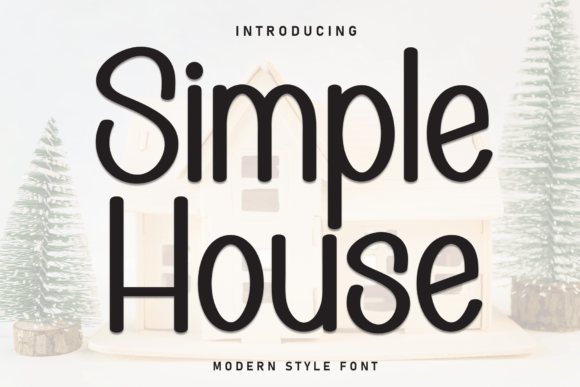
There's something instantly inviting about a handwritten font that feels genuine and approachable. Simple House Font captures that quality perfectly—it's a sweet, friendly typeface that brings warmth and personality to any design without trying too hard. Whether you're crafting wedding invitations, building a small brand, or creating social media content that actually connects with people, this font delivers that handcrafted charm many designers and entrepreneurs are searching for.
What Makes This Handwritten Font Stand Out
Simple House isn't trying to be edgy or avant-garde. It leans into what it does best: feeling human. The letterforms have a natural flow, with gentle curves and slightly varied strokes that mimic real handwriting. That subtle imperfection is exactly what gives it character. Unlike rigid, overly polished script fonts that can feel cold or corporate, this typeface reads like a note from a friend.
The visual appeal lies in its balance. It's playful enough to feel fun but structured enough to remain legible at various sizes. Each character connects smoothly, creating a cohesive rhythm across words and sentences. The spacing feels intentional, which matters more than most people realize—poorly spaced handwritten fonts can turn a beautiful word into an unreadable mess.
For anyone who has spent hours scrolling through font libraries looking for something that feels authentic rather than manufactured, Simple House offers that "just right" quality. It doesn't overdo the swashes or decorative elements. Instead, it keeps things clean and readable while maintaining that essential handwritten warmth.
Practical Uses Across Design and Branding Projects
The versatility of a well-crafted handwritten font like Simple House is what makes it genuinely useful rather than just decorative. Here's where it shines in real-world applications:
- Wedding invitations and event stationery — This is perhaps its most natural home. The font's gentle personality sets a welcoming tone without feeling overly formal or stuffy. It works beautifully for save-the-dates, RSVP cards, menu cards, and thank-you notes.
- Small business branding — If you run a bakery, boutique, florist, coffee shop, or any business that benefits from a personal, approachable image, Simple House can anchor your visual identity. Think business cards, loyalty cards, packaging labels, and storefront signage.
- Social media graphics — Instagram quotes, Pinterest pins, Facebook headers, and story templates all benefit from fonts that feel relatable. Handwritten typography tends to stop the scroll because it feels different from the default system fonts most people use.
- Logo design — For brands targeting a younger demographic or positioning themselves as artisanal, handmade, or community-focused, a handwritten font can form the basis of a memorable logo mark.
- Packaging design — Product labels, box designs, tissue paper prints, and thank-you inserts gain personality when they use a typeface that feels crafted rather than generated.
- Blog headers and website accents — While you wouldn't set an entire blog in a handwritten font, using it for section headers, pull quotes, or call-to-action buttons adds visual interest and breaks up monotony.
- Digital products — Printable planners, worksheets, e-book covers, and online course materials can all benefit from a friendly typeface that makes content feel approachable and easy to engage with.
- Editorial layouts — Magazine features, lookbook spreads, and newsletter designs often use handwritten fonts for headlines or accent text to create contrast with body copy set in a clean serif or sans serif font.
Improving Your Visual Communication with the Right Typeface Choice
Typography does heavy lifting in design, often more than people consciously recognize. The fonts you choose communicate tone, establish credibility, and influence how long someone engages with your content. Simple House contributes to several important aspects of visual communication:
Brand recognition becomes easier when your typography is distinctive. If every competitor in your space uses the same five Google Fonts, choosing a premium font like Simple House immediately sets you apart. People begin associating that specific visual style with your business, which strengthens recall over time.
Audience engagement improves when your design feels approachable. Handwritten fonts create an emotional bridge between your brand and your audience. They signal that there's a real person behind the business, not just a faceless entity. This matters enormously for solopreneurs, creators, and small businesses competing against larger brands with bigger budgets.
Professional presentation doesn't always mean formal. It means intentional. Using a thoughtfully chosen handwritten font in the right context shows design awareness. Pairing Simple House with a clean sans serif font for body text, for example, demonstrates that you understand hierarchy and contrast—two fundamental principles that separate amateur layouts from polished ones.
Readability is where many handwritten fonts fail. They look gorgeous in a headline but become impossible to read in longer passages. Simple House maintains its legibility well, though it's still wise to reserve it for shorter text blocks, headings, and accent copy rather than setting entire paragraphs in it.
Tips for Working with Handwritten Fonts Effectively
Getting the most out of a font like Simple House requires some practical know-how. Here are recommendations drawn from real design experience:
- Test font pairings before committing. Open your design tool and set Simple House alongside several options—a geometric sans serif like Montserrat, a classic serif like Playfair Display, or a neutral sans like Open Sans. See which combination creates the right mood for your specific project. The contrast between a handwritten display font and a structured body font often produces the most readable, visually appealing results.
- Consider your project's tone. Handwritten fonts work best when your brand or project aims for warmth, friendliness, creativity, or authenticity. If you're designing for a law firm or financial institution, this probably isn't the right fit. But for lifestyle brands, creative agencies, food businesses, or personal projects, it's an excellent choice.
- Check the included styles and glyphs. Many premium fonts come with alternate characters, ligatures, and extended language support. Explore what's included with Simple House so you can take full advantage of its features. Alternates can help you customize the look of specific words or create variation when the same letter appears multiple times in close proximity.
- Pay attention to size and spacing. Handwritten fonts generally perform best at larger sizes where their character details are visible. At very small sizes, the connecting strokes and subtle curves can become muddy. Adjust your letter-spacing and line-height as needed to maintain clarity.
- Review licensing for commercial use. If you're using the font for client work, merchandise, or products you sell, make sure your license covers that usage. Most premium font licenses distinguish between personal and commercial use, and some have specific restrictions on embedding fonts in digital products or using them on merchandise. Understanding these terms upfront prevents headaches later.
Making Typography Work for Your Creative Goals
The best font choices aren't about following trends—they're about serving your specific project. Simple House works because it fills a genuine need in the design landscape: a handwritten typeface that feels personal without sacrificing readability or versatility. It bridges the gap between overly casual marker-style fonts and formal calligraphy scripts, landing in a sweet spot that works for an impressive range of applications.
If you're building a brand identity, start by defining the emotions and qualities you want your visual language to convey. Then test how Simple House aligns with those goals. Print out a few samples. View them at different sizes. Ask someone unfamiliar with your project what feeling the font communicates. That kind of real-world testing reveals more than any font specimen page ever will.
Typography is one of the most powerful—and most underestimated—tools in a designer's or entrepreneur's toolkit. A font like Simple House, with its approachable personality and practical versatility, can become a reliable part of your design assets for years to come. The key is using it thoughtfully, pairing it intentionally, and always keeping your audience's experience at the center of every decision.