Moretimes Font: A Versatile Handwritten Typeface for Modern Designers
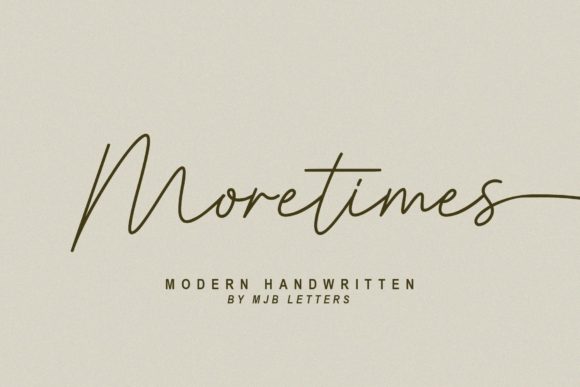
Finding a font that feels both personal and polished can be a real challenge. You want something with character, but not so much that it overwhelms your message. Moretimes Font steps into that space beautifully. It’s a modern, clean handwritten typeface designed to bring an elegant, natural flow to your work. Think of it as the sophisticated cousin of your everyday script font—approachable, yet refined enough for professional projects. With each uppercase and lowercase letter offering an alternative, you get a level of customization that’s rare in premium fonts, allowing you to tailor the look and feel precisely to your vision.
The Anatomy of a Flexible Design Tool
At its core, Moretimes is a display font, meaning it’s crafted to capture attention at larger sizes. Its handwritten style isn’t just a single note; it’s a symphony. The default characters provide a clean, flowing base, perfect for readability in short bursts like logos or headlines. The real magic, however, lies in the alternates. These aren’t just minor tweaks—they’re different stylistic interpretations of letters. One version of a lowercase ‘a’ might be more open and casual, while its alternate could be more connected and elegant. This gives you, the designer, the power to create unique wordmarks and avoid that “template” look that can plague projects using a single, static font file. You’re not just choosing a font; you’re choosing a toolkit for typographic expression.
This versatility is what makes it a standout creative font. It’s not trying to be a serif font or a sans serif font; it embraces its identity as a script font with a modern sensibility. The strokes have a consistent, confident weight, avoiding the overly thin or thick extremes that can cause printing or scaling issues. Whether you’re working on a digital screen or a physical print, the letterforms maintain their integrity, which is crucial for professional presentation and brand recognition.
From Brand Identity to Wedding Invitations: Practical Applications
So, where does a typeface like Moretimes truly shine? Its personality makes it incredibly adaptable across a wide range of creative and commercial projects. For a small business owner or entrepreneur, establishing a cohesive brand identity is paramount. Moretimes can serve as the cornerstone of your visual language. Imagine it on your business cards, creating a memorable and personal logo design. See it on your product packaging, adding a touch of artisanal quality that tells a story before the product is even opened. This isn’t just about looking good; it’s about creating a consistent emotional response every time a customer encounters your brand.
Content creators and marketers will find it equally valuable for social media graphics and blogs. In a crowded feed, a quote graphic set in Moretimes feels intimate and authentic, cutting through the noise of generic stock imagery. For wedding invitations, greeting cards, or event posters, its elegant flow sets the perfect tone—romantic, celebratory, and thoughtful. The PUA encoding is a technical benefit with a very practical outcome: you can easily access all the glyphs and swashes. This means those beautiful decorative tails and flourishes aren’t locked away. You can use them to add a unique flourish to a headline or a signature, making your designs feel truly custom and handcrafted.
Making It Work: Pairing and Readability in Practice
A great font doesn’t work in isolation. A key piece of practical advice is to think about font pairing from the start. Moretimes, being a expressive handwritten font, works best when balanced with a cleaner, more neutral counterpart. Try pairing it with a simple sans serif font for body text on a website or in a brochure. The contrast creates a clear visual hierarchy: Moretimes draws the eye to the key message, while the sans serif ensures the supporting information is effortlessly readable. For editorial layouts or digital products, this combination can make pages feel dynamic and engaging without sacrificing clarity.
Readability should always be a primary consideration. While Moretimes is highly legible for a script, it’s wise to use it primarily for headlines, logos, and short call-to-action phrases rather than long paragraphs of text. Its strength is in impact and personality. When designing for web, ensure there’s enough contrast between the text and background. For print, always do a test print to see how the font renders on your chosen paper stock. The included font styles—likely including regular and bold weights, plus those invaluable alternates—give you a full suite of options to test and refine until the typography feels just right for your project’s goals.
Investing in Your Creative Toolkit
When you choose a commercial font, you’re investing in a design asset. Moretimes, as a premium font, comes with the licensing that allows you to use it across client work, merchandise, and all your marketing assets without legal gray areas. This peace of mind is worth its weight in gold for any creative professional. It’s more than just letters on a screen; it’s a component of your visual communication strategy. By selecting a typeface that aligns with your project’s personality and offers the flexibility to adapt, you’re taking a deliberate step toward creating work that is not only beautiful but also effective and memorable.
Ultimately, the right typeface is one that serves your vision. Moretimes offers a blend of natural elegance and modern utility, making it a worthy consideration for anyone looking to add a touch of refined, personal style to their branding, packaging design, or creative projects. Its true value is unlocked when you experiment with its alternates, pair it thoughtfully, and apply it to solve real design challenges, helping you build stronger connections with your audience through thoughtful visual language.