Nothing Holiday Font: Infusing Elegance into Your Creative Projects
There’s a particular kind of magic that happens when you find a typeface that just clicks—one that feels less like a digital tool and more like a collaborator. For anyone working on a project that demands personality, warmth, and a distinct human touch, the search for that perfect lettering can be everything. This is where a carefully crafted script font enters the picture, transforming ordinary text into something that feels personal, intentional, and artful. A font like Nothing Holiday isn't just a set of characters; it's a stylistic voice waiting to tell your story.
The Anatomy of a Stylish Script
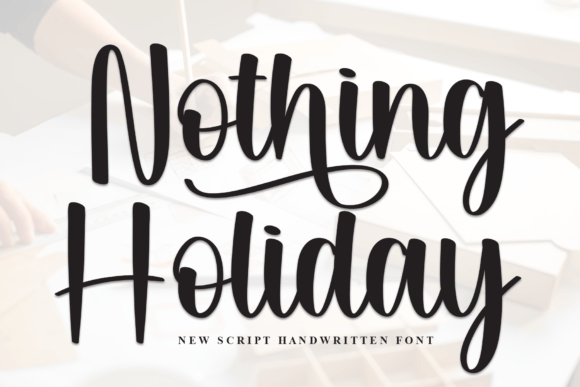
At its core, this typeface is a masterclass in elegant, flowing design. Its visual appeal lies in the delicate balance between sophistication and approachability. The letterforms feature graceful, looping connections that mimic the natural rhythm of skilled calligraphy, yet they maintain a clean consistency that ensures legibility across various applications. Unlike some overly ornate scripts that sacrifice readability for flair, this design prioritizes both. The subtle thick-and-thin strokes give it a dynamic, textured quality, preventing it from looking flat or overly digitized. It’s this inherent elegance that makes it so versatile—it can feel luxurious for a high-end brand or warmly inviting for a personal project.
Where Style Meets Strategy: Real-World Applications
Understanding a font's personality is one thing; knowing how to deploy it effectively is where the real value lies for designers, entrepreneurs, and creators. A premium font like this serves as a powerful design asset, capable of elevating a wide array of projects. Its strength is in adding a layer of refined, handwritten character where it’s needed most.
Consider its role in brand identity. For a boutique business, a lifestyle blog, or a creative service, using a distinctive script font for a logo or wordmark can instantly communicate elegance and a personal touch. It helps a brand stand apart in a sea of generic sans-serif logos, fostering stronger brand recognition. The font’s style becomes shorthand for the quality and feel of the business itself.
In packaging design, typography is a silent salesperson. Imagine this script gracing the label of artisanal cosmetics, gourmet foods, or handcrafted candles. It conveys a sense of care and premium quality before the customer even interacts with the product. Similarly, for print materials like business cards, stationery, and thank-you notes, the font adds a tactile, personal dimension that a standard typeface simply cannot achieve. It turns a simple card into a keepsake.
The digital realm offers equally compelling opportunities. For social media graphics, a script font can stop the scroll. It’s perfect for crafting eye-catching quotes, announcement headers, or stylish overlays on images, helping to build a cohesive and recognizable visual feed. On websites and blogs, it can be used strategically for hero section headlines, pull quotes, or navigation elements that need a touch of personality, enhancing the overall user experience and audience engagement. When used correctly, it contributes to visual consistency across all platforms, making a brand feel polished and professional.
Beyond these, its applications extend to editorial design for magazine features or book chapter headings, the creation of beautiful digital products like planners or invitation templates, and the development of marketing assets such as email headers or sale announcements. For crafters and hobbyists, it’s a fantastic resource for creating personalized gifts, event invitations, and custom merchandise that looks professionally designed.
Practical Tips for Typographic Harmony
Simply having a great creative font isn't enough; success lies in how you use it. Integrating a script font like this into your projects requires a thoughtful approach to ensure it enhances, rather than hinders, your message.
Prioritize Readability Above All. The most beautiful lettering is useless if your audience can’t read it. Reserve this style for short, impactful text—headlines, logos, single words, or short phrases. For body copy or longer paragraphs, always pair it with a highly readable sans serif font or a clean serif font. This contrast creates a visual hierarchy that guides the reader's eye and makes your content digestible.
Master the Art of Font Pairing. The goal is harmony, not competition. A classic rule of thumb is to pair a decorative script with a neutral, geometric sans-serif. The simplicity of the sans-serif provides a stable foundation that allows the script’s personality to shine without overwhelming the design. Experiment with different weights and sizes to find the right balance. The key is to let the script be the star of the show in specific moments, supported by a reliable co-star.
Understand the Project’s Goal. Always ask: what emotion or message should this typography convey? A wedding invitation calls for a different tone than a tech startup’s website. The fluid, romantic nature of a script font is perfect for celebratory, personal, or luxury contexts. For projects requiring a more modern, minimalist, or authoritative feel, you might lean more heavily on a strong sans-serif or serif, using the script only as a subtle accent.
Review the Included Styles. A quality commercial font often comes with more than just the basic letters. Check for alternate characters, stylistic sets, ligatures, and swashes. These extras can be invaluable for customizing your text, avoiding repetitive letter shapes, and adding even more unique flair to logos or special headings. Taking the time to explore these features can set your work apart.
Consider Licensing for Commercial Use. This is a critical, often overlooked step. If you’re using a font for client work, merchandise for sale, or in a business capacity, ensure you have the appropriate commercial license. Respecting licensing agreements is not only ethical but also protects you and your business from legal issues down the line. Most reputable font foundries make licensing terms clear—always read them.
Crafting a Cohesive Visual Narrative
Ultimately, typography is a fundamental pillar of visual communication. The typefaces you choose are silent ambassadors for your brand or project, communicating values, quality, and personality in an instant. A thoughtfully selected script font like Nothing Holiday offers a specific tool in your design arsenal: the ability to inject elegance, warmth, and a human touch into your work.
It’s about more than just making words look pretty. It’s about making a strategic choice that aligns with your goals, whether that’s building a memorable brand identity, creating engaging social media content, or designing packaging that tells a story. By understanding its strengths, pairing it wisely, and applying it with intention, you transform a simple design asset into a powerful component of your creative and commercial success. The right font doesn’t just display your words—it helps you make a lasting impression.