Why Toddler Retro Font is the Playful Vibe Your Brand Needs
You know that feeling when a design just clicks? It's not just about the colors or the layout; it's about the personality. Sometimes, a project calls for something that’s bold, a little nostalgic, and full of life. It needs to feel friendly and approachable, but also confident. This is where a specific kind of display font shines, one that bridges the gap between childish whimsy and clean, modern design. It’s the kind of typeface that makes you smile without feeling unprofessional.
A Typeface with Character and Confidence
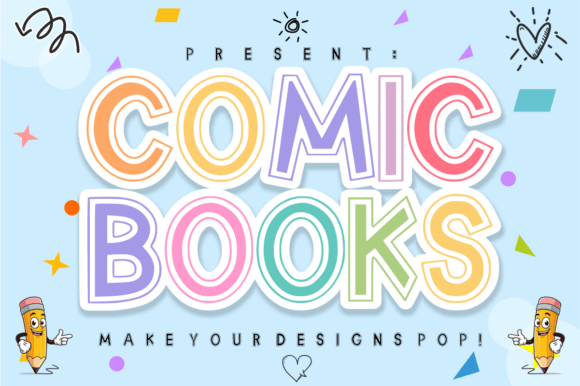
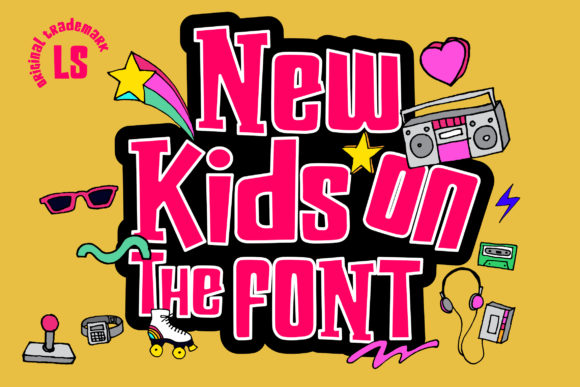
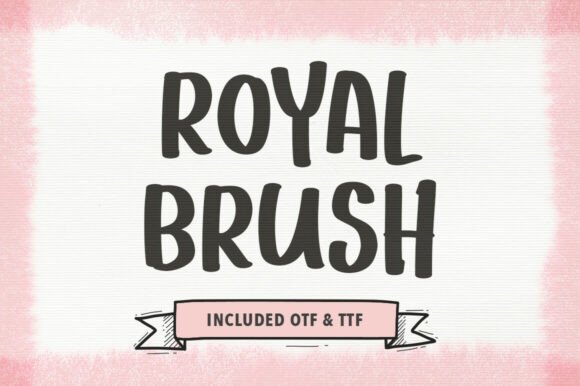
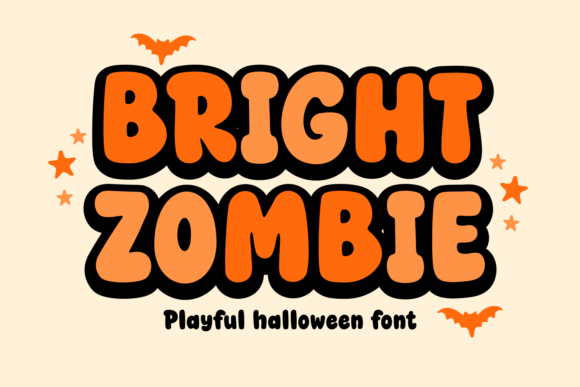
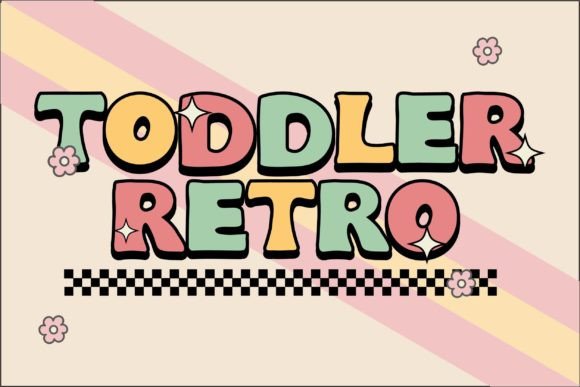
Let's talk about Toddler Retro Font. At its core, this is an incredibly cute, and assertive display font. What does that mean in practice? Visually, it often features rounded letterforms, soft edges, and a slightly chunky weight that gives it a substantial, friendly presence. The "retro" aspect usually comes from subtle stylistic nods—perhaps a gentle curve here or a terminal there that echoes mid-century design or the playful typography of the 1970s. It’s not trying to be a sleek, minimalist sans serif. Instead, it leans into its charm, making it ideal for projects where you want to inject a dose of youth and joy.
The beauty of a font like this is its versatility within its niche. It can feel vintage and modern at the same time. You might use it for a children’s clothing brand, but it could equally work for a trendy coffee shop with a playful identity, a boutique bakery, or a lifestyle blog that doesn’t take itself too seriously. It’s a creative font that doesn’t just sit there; it communicates a feeling instantly.
From Party Invitations to Polished Branding
The original suggestion to "add it to each of your party invitations, gatherings, or pretty much any design that requires a touch of youth and joy" is a fantastic starting point. Think about a child’s birthday invitation set in Toddler Retro. It immediately sets a fun, celebratory tone. But let's push that idea further. How else can this typeface serve your creative or commercial projects?
For Branding & Logo Design: A logo needs to be memorable. Using a display font like Toddler Retro for a wordmark or logotype can make a small business instantly recognizable. It works exceptionally well for brands targeting families, offering artisanal or handmade goods, or those wanting to project a warm, community-focused image. It’s a premium font choice that can form the cornerstone of a full brand identity.
In Packaging & Merchandise: Imagine a line of organic baby snacks or a small-batch jam company. The packaging needs to stand out on a shelf. Toddler Retro’s bold character can handle headline text on labels, boxes, and bags, making the product look approachable and high-quality. Similarly, on merchandise like tote bags, t-shirts, or mugs, it carries a cool, retro vibe that appeals to a broad audience.
For Digital Presence: Your website and social media graphics are often the first point of contact. Using this font for key headings on your homepage, in Instagram post templates, or for Facebook ad copy can create a cohesive and engaging visual language. It’s particularly effective for call-to-action buttons or feature announcements where you want to draw the eye and evoke a positive response. It brings the energy of a handwritten font but with the consistency and scalability of a modern typography asset.
Practical Tips for Using a Bold Display Font
Integrating a strong character font into your designs is exciting, but a few practical considerations will ensure it works for you, not against you.
Font Pairing is Key: Toddler Retro is a star player, but it rarely works alone. For body text, you need a highly readable partner. A clean sans serif font is a classic choice—it provides contrast and ensures your paragraphs are easy to read. For a more dynamic pairing, consider a simple serif or a neutral script font for accents. The goal is balance: let the display font command attention for headlines, and let a simpler typeface do the heavy lifting for longer text.
Readability First: As with any display typeface, context matters. Avoid using Toddler Retro for lengthy paragraphs or small print. Its strength is in short bursts: titles, headers, logos, and pull quotes. Always test your designs at the actual size they’ll be viewed. What looks charming on a large poster might become illegible on a mobile screen if overused.
Explore the Included Styles: A quality commercial font package often includes more than just the basic letters. Check if Toddler Retro comes with alternates, ligatures, or multiple weights. These extras are gold for design assets. An alternate ‘a’ or ‘g’ can add unique flair to a logo. A bolder weight might be perfect for a poster headline, while a lighter one could work for a subheading. Understanding your full toolkit allows for more creative and professional presentation.
Licensing for Commercial Use: This is non-negotiable. If you’re using the font for a client project, for merchandise you sell, or for your business’s marketing, you must ensure you have the correct commercial license. Most premium fonts offer different tiers (desktop, webfont, app, etc.). Purchasing the right license protects you legally and supports the type designers who create these valuable tools for the creative community.
Where Will Your Next Project Shine?
Ultimately, a font is a tool for communication. Toddler Retro Font communicates warmth, creativity, and a confident sense of fun. It’s a typeface that can help a small business owner tell their story more effectively, help a content creator build a more engaging brand on social media, or help a designer craft an invitation that feels truly special.
Think about your current projects. Is there a design that feels a bit flat or lacks personality? Could your logo use more character? Are your social media graphics not getting the engagement you’d hoped for? Sometimes, the solution isn’t a complete overhaul, but a single, well-chosen asset. By matching the right typography to your project goals, you’re not just making something look good—you’re building recognition, fostering connection, and creating an experience that resonates. That’s the real value of a thoughtfully chosen, creative font.