Royal Brush Font: Bold, Hand-Painted Authority for Your Designs
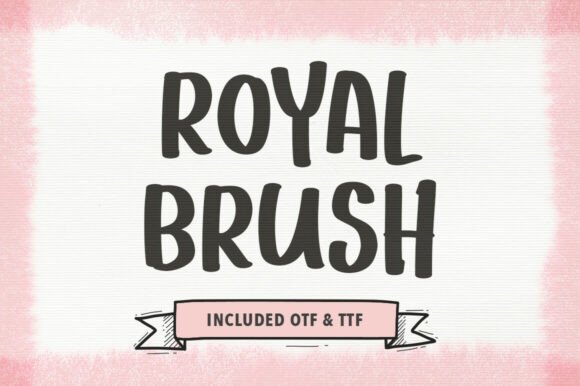
There's a particular energy a project gets when the typography feels like it was made by a human hand, not just clicked into existence on a screen. You know the look—the strokes have weight, the edges have texture, and the whole word seems to vibrate with intention. That's the space Royal Brush Font occupies. It’s not just another script or handwritten style; it’s a heavy, confident, hand-painted typeface that carries the raw texture of a real brush with a stately, almost commanding presence. Think of it as the typography equivalent of a firm handshake—it makes an immediate impression and doesn’t let go.
The Visual Power Behind the Strokes
What makes this particular font visually compelling isn’t just its size. Many display fonts are bold, but Royal Brush brings a specific character. The bold vertical strokes give each letter a strong foundation, while the natural ink variations—the slight bleed here, the thicker thump of a brush load there—prevent it from looking sterile or overly digital. This isn't a clean, perfect vector. It has grit. It has texture. That's precisely its strength. In a design landscape saturated with smooth, geometric sans serifs and delicate scripts, this typeface cuts through the noise. It demands attention in a layout, not by being the loudest, but by being the most assured. It works best in high-contrast designs, where its textured edges and sturdy letterforms can truly breathe and serve as a bold statement of style and strength.
Where This Font Truly Shines: Practical Applications
Knowing a font looks good is one thing. Knowing where to use it is where the real value lies. This isn't your go-to for body copy in a 200-page annual report. Its power is in the headline, the logo, the single, impactful statement. Here’s where designers, brand builders, and creators find it most useful:
- Branding & Logo Design: For brands that want to project confidence, craftsmanship, and a touch of urban edge. Think streetwear labels, premium sports brands, boutique coffee roasters, or a music festival needing an identity that feels both artistic and authoritative. The font becomes a core part of the visual identity.
- Packaging & Merchandise: On a craft beer bottle, a hot sauce label, or the front of a graphic tee, this font adds instant shelf appeal. It communicates quality and personality before the customer even reads the tagline.
- Editorial & Poster Design: Cinematic posters, album covers, magazine covers, and feature headlines for blogs or publications. It’s the kind of typeface that makes a reader stop scrolling and pay attention.
- Digital Presence: Hero sections on websites, impactful social media graphics, YouTube thumbnails, and email newsletter headers. In the fast-scroll world of digital content, it helps your key message get seen.
- Events & Invitations: Music festival banners, gallery opening invites, or high-energy corporate event promotions. It sets a tone of excitement and exclusivity.
Making It Work: Pairing and Practicality
A font this strong needs a partner that can balance it. You wouldn't pair two bold display fonts together—they'd fight for attention. The key is contrast. Use Royal Brush for your primary headline or logo mark, then pair it with a clean, highly readable sans serif for supporting text. A modern, geometric sans serif like Montserrat or a humanist sans serif like Lato can provide a calm, professional counterpoint, letting the brush font’s texture and personality take center stage without overwhelming the viewer.
Readability is another critical consideration. While its texture adds character, always test your chosen text at the intended size. Short, powerful words and phrases work best. If you're using it for a longer title, check that the letter spacing and word spacing allow for easy reading. Most premium fonts like this will come with a full character set, including numbers, punctuation, and often multiple stylistic alternates or swashes. Take the time to explore the font file and see what options are available. Sometimes, a simple alternate 'A' or 'R' can make all the difference in a custom logo.
From Concept to Commercial Use
For the entrepreneur or small business owner investing in design assets, the practicalities matter. Always review the licensing terms of any commercial font. A font marketed as a "premium" or "creative" asset for designers typically includes a license that covers both personal and commercial projects—from your client’s logo to merchandise you sell. This is a crucial step; using a font without the proper license can lead to legal headaches down the road.
Think of this typeface as a design tool in your toolkit, not just a file on your computer. Its value is realized when it’s applied thoughtfully to a project that aligns with its personality. It won’t make a minimalist tech startup look right, but for a brand built on authenticity, energy, and a handcrafted ethos, it can be the visual cornerstone that builds instant recognition and audience engagement. It provides that professional edge, making your text not just readable, but truly unforgettable.