Comic Books Font: Unlocking Playful & Vibrant Design Energy
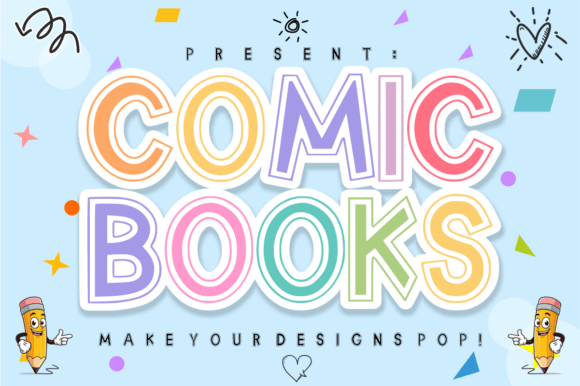
There is a specific kind of energy that classic comic strips possess—a kinetic vibration that grabs the eye before the brain even processes the words. Capturing that feeling in modern design often feels difficult; you want the nostalgia, but you also need the sharp, clean lines of contemporary digital aesthetics. This is where the unique appeal of the Comic Books typeface comes into play. It isn't just another novelty font; it is a sophisticated tool built to bridge the gap between retro excitement and modern minimalism, offering a distinctive double-outline style that provides depth without the clutter.
If you have ever struggled to find a typography style that feels energetic enough for a children’s brand but professional enough for a corporate marketing campaign, the search might end here. The "hollow" inline detail of this particular design is its secret weapon, allowing for creative color layering and standout headlines that demand attention in a crowded marketplace.
The Power of the Double-Outline in Modern Branding
In the world of brand identity, consistency is king, but distinctiveness is the queen that rules the board. Standard sans serif fonts are safe, and while serif fonts offer tradition, neither inherently communicates "fun" or "high energy" without significant design context. Comic Books, however, arrives with that context built-in. The display font features a bold structure that ensures readability at a glance, which is vital for logos and signage.
Consider the challenge of designing for a family-friendly restaurant or a local event planning service. You need a typeface that screams "excitement" but doesn't look messy. Because this font utilizes a double-outline technique, it creates a natural space for color application. You can fill the interior with one shade and the outer stroke with another, instantly creating a multi-dimensional look that standard premium fonts often require extra vector work to achieve. This capability makes it a powerhouse for logo design where you want the typography to be the primary visual element.
Furthermore, the "hollow" nature of the inline details makes it perfect for layering. Imagine creating a sticker for a laptop or a water bottle. With a standard solid font, the sticker is just a block of color. With this specific display font, you can cut the vinyl in a way that allows the background color of the surface to show through the middle of the letters, adding a level of interactivity and texture to your merchandise.
Practical Applications: From Screen to Print
While the aesthetic is playful, the utility of Comic Books spans a vast array of commercial applications. It is not limited to just cartooning; its clean lines make it a versatile asset for various mediums.
1. Packaging Design and Merchandise
For small business owners selling products aimed at younger demographics—or adults who are young at heart—packaging is the first handshake with the customer. Using this typeface for product names on boxes, jars, or apparel can instantly categorize the product as "fun" and "approachable." It works exceptionally well for toy packaging, snack branding, or party supplies. On merchandise like t-shirts or tote bags, the bold nature of the font ensures the message is visible from a distance, acting as a walking billboard.
2. Social Media and Digital Content
In the fast-scrolling environment of Instagram, TikTok, or Pinterest, you have milliseconds to stop a user’s thumb. Social media graphics often fail because they blend into the background. This font acts as a visual speed bump. Content creators can use it for "New Video" announcements, sale alerts, or story highlights. Because it pairs well with flat colors, it is easy to match with brand palettes for web design elements and digital ads, ensuring your marketing assets feel cohesive across all platforms.
3. Editorial Design and Invitations
Don't overlook the power of typography in editorial design. If you are designing a newsletter for a school, a summer camp brochure, or a birthday invitation, this font sets the tone immediately. It bypasses the need for excessive clipart because the letters themselves are decorative. For print materials, such as posters for a local fair or a garage sale, the high visibility of the bold structure ensures that critical information—like dates, times, and locations—is legible even from a distance.
Mastering Font Pairings and Readability
One of the most common mistakes in typography is using a creative font for everything. A display typeface like Comic Books is designed for impact, not for long-form reading. You wouldn't write a blog post or a manual entirely in this style; it would fatigue the reader's eyes. The value lies in the hierarchy.
When building your layout, use this font for the "loud" parts: the main headline, the call-to-action button, or the price tag. For the body copy—the descriptions, the instructions, or the bio text—pair it with a highly legible sans serif font or a simple serif font. This contrast creates a professional balance. The playful header draws the user in, and the clean body text delivers the information efficiently.
Testing Your Pairings:
Before finalizing a design, always test how your headline font interacts with your body font. A good rule of thumb is to look for contrast in weight and style. Since Comic Books is heavy and decorative, a light or regular weight sans serif (like Open Sans, Lato, or Roboto) usually pairs best. Avoid pairing it with script fonts or other handwritten fonts, as the visual "noise" will compete rather than complement.
Aligning Typography with Project Goals
Choosing a font is rarely just about aesthetics; it is about psychology. Every typeface carries a personality. When you select Comic Books, you are signaling specific values to your audience: playfulness, accessibility, energy, and youthfulness.
Ask yourself if this aligns with your project goals. If you are a legal firm, this is obviously the wrong choice. However, if you are a tech startup focusing on educational apps for children, a DIY craft vlogger, or a boutique bakery, this font aligns perfectly with your brand voice. It helps build brand recognition because it is distinct; people will remember the "comic style" text associated with your brand.
It is also worth exploring the full range of styles included with premium fonts like this. Often, high-quality display typefaces come with variations—italic versions, outline-only versions, or perhaps stylistic alternates for specific letters. Reviewing these allows you to add variety to your designs while maintaining the same core aesthetic. For instance, using the outline version for a sub-header while using the solid version for the main title can create a sophisticated layered effect.
Finally, for any commercial application—whether it is a logo for a client, a t-shirt design for sale, or a digital product—you must ensure you have the correct commercial licensing. Most professional design assets come with clear terms, but always double-check that your intended use (especially for high-volume merchandise or broadcast media) is covered by your license. This protects your business and ensures your modern typography choices are legally sound.
Ultimately, typography should do more than just spell out words; it should evoke a feeling. By incorporating a vibrant, structural typeface into your toolkit, you give yourself the ability to inject instant personality into any project, turning a flat design into an engaging visual experience.