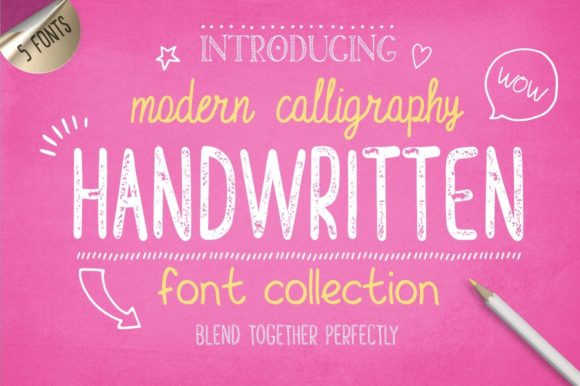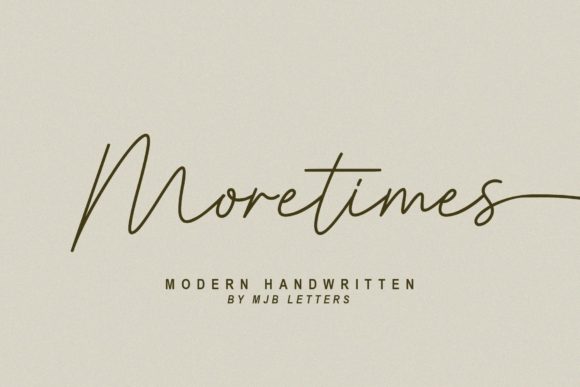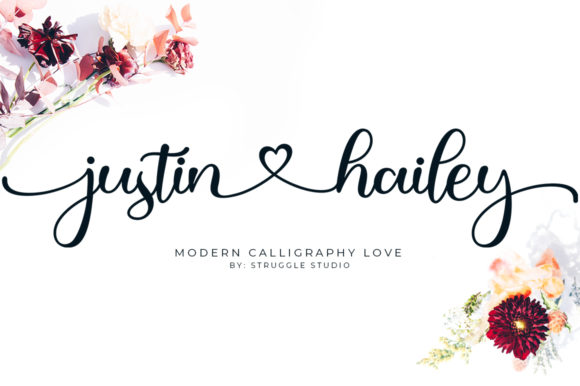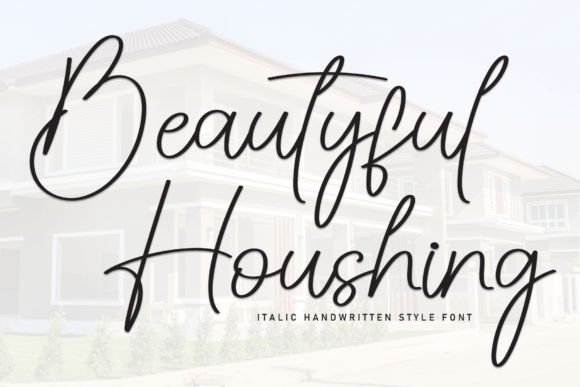
The Ultimate Handwritten Font Collection for Every Creator
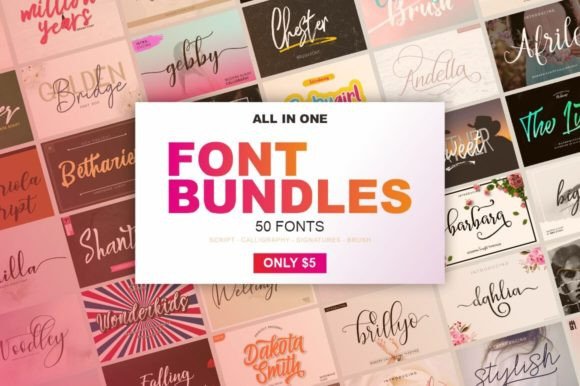
Imagine you're designing a wedding invitation for a close friend. You want something elegant yet personal, a script that feels like it was written by hand, not generated by a machine. You scroll through endless font libraries, testing one after another—some are too formal, others too casual. Then you discover a single collection that offers fifty distinct handwritten styles, from flowing calligraphy to relaxed brush lettering. Suddenly, the creative process transforms from a frustrating hunt into an inspiring exploration. This is the practical value of having a comprehensive font bundle at your fingertips.
Why a Handwritten Font Collection Solves Real Design Problems
Handwritten fonts bring an authenticity that digital typefaces often lack. They mimic the imperfections and warmth of human touch, making designs feel approachable and genuine. For small business owners creating product packaging, a script font can convey artisanal quality. For social media managers crafting Instagram stories, a casual brush font can make content feel spontaneous and relatable. The challenge has always been finding enough variety without purchasing dozens of individual licenses. A curated bundle addresses this by providing a spectrum of styles—signatures for personal branding, decorative scripts for invitations, and bold brushes for posters—all under one commercial license.
Consider a freelance designer working on multiple client projects. One week, they're developing a logo for a boutique bakery that needs a whimsical, hand-lettered feel. The next, they're creating a series of motivational quotes for a wellness brand's Instagram feed. Having access to a diverse set of handwritten fonts means they can match the typography to each brand's unique personality without compromising on quality or spending excessive time searching. It’s about efficiency and creative flexibility, which directly impacts client satisfaction and project turnaround.
Matching Font Styles to Your Project's Personality
Not all handwritten fonts are created equal, and choosing the right one depends on the message you want to send. A flowing calligraphy script works beautifully for luxury wedding stationery or high-end product labels, where elegance and sophistication are key. On the other hand, a bold, textured brush font might be perfect for a fitness brand's motivational posters or a music festival's promotional materials, conveying energy and movement.
Take the time to review the specific styles included in a collection. Look for variety in weight, slant, and ornamentation. A well-rounded bundle should offer options that range from delicate and refined to strong and expressive. For example, a signature font can add a personal touch to email newsletters or digital contracts, while a playful handwritten style might be ideal for children's book covers or craft market logos. Testing a few characters from each font in your actual design mock-ups is the best way to see how they perform in context. Does the letter spacing feel balanced? Do the ligatures flow naturally? These practical checks prevent surprises later in the design process.
Practical Applications Across Industries
The versatility of a comprehensive handwritten font set extends far beyond personal projects. Here’s how different professionals can leverage these assets:
- Brand Identity and Logo Design: A unique script or signature font can become a core element of a brand's visual identity, especially for businesses in lifestyle, beauty, food, or creative services. It helps establish recognition and sets a tone that resonates with the target audience.
- Packaging and Label Design: For products on retail shelves or online stores, handwritten typography can highlight key ingredients, brand names, or special editions, making packaging feel more authentic and appealing.
- Social Media Graphics and Digital Content: Stand out in crowded feeds with eye-catching quotes, announcements, or story templates. Handwritten fonts add personality that generic sans-serif fonts can't match, boosting engagement and shareability.
- Web Design and Blogs: Use decorative scripts for headings or pull quotes to break up text-heavy pages, adding visual interest and guiding the reader's eye. Just ensure readability remains a priority, especially for body text.
- Print Materials and Merchandise: From event posters and flyers to T-shirts and tote bags, these fonts can create merchandise that feels custom and artistic, appealing to customers looking for unique, design-forward products.
- Invitations and Editorial Layouts: Wedding invitations, greeting cards, magazine features, and book covers all benefit from the emotional connection that handwritten type establishes, making content feel more intimate and special.
Enhancing Visual Consistency and Professionalism
One of the biggest advantages of using a cohesive font collection is the ability to maintain visual consistency across various touchpoints. A brand might use a elegant script for its logo, a simpler handwritten style for website headings, and a casual brush font for social media callouts. Because these fonts come from the same curated family, they share an underlying aesthetic harmony, even with their differences. This prevents the disjointed look that can happen when mixing unrelated typefaces from various sources.
For entrepreneurs and content creators, this consistency builds brand recognition. When your audience sees your Instagram post, your product label, and your website header, they should experience a unified visual language. Professional presentation also matters; a well-chosen premium font signals quality and attention to detail, which can influence how customers perceive your business. It’s a subtle but powerful form of communication.
Tips for Effective Font Pairing and Readability
While handwritten fonts are full of character, they often work best when paired with simpler, more legible typefaces for body text. A common and effective approach is to combine a decorative script or brush font for headlines with a clean sans-serif font for paragraphs. This creates a clear hierarchy and ensures your message is easy to read, whether on a screen or in print.
Always test your font pairings in the actual medium you'll use. A script that looks stunning on a large poster might become illegible when shrunk down for a business card. Pay attention to contrast, spacing, and size. For digital projects, check how the fonts render on different devices and browsers. For print, consider how the ink bleeds on various paper stocks. The goal is to balance aesthetic appeal with functional clarity—beautiful typography should never sacrifice the viewer's ability to understand the content.
Making the Most of Your Font Investment
When exploring font bundles, verify the licensing terms. A good commercial license should allow for broad usage across client projects, merchandise, and digital products without hidden fees. This is crucial for designers and businesses that plan to use the fonts extensively. Also, consider the file formats provided—OTF and TTF are standard, but web fonts (WOFF, WOFF2) are essential for online use.
Ultimately, the right font collection is more than just a set of files; it's a toolkit for visual storytelling. It empowers you to convey mood, personality, and professionalism through the very letters that form your words. Whether you're crafting a single logo or building an entire brand system, having a versatile range of high-quality handwritten fonts at your disposal means you're always ready to create something that connects on a human level. That connection is what turns a simple design into a memorable one.