Mango Dream Font: A Sweet Addition to Your Design Toolkit
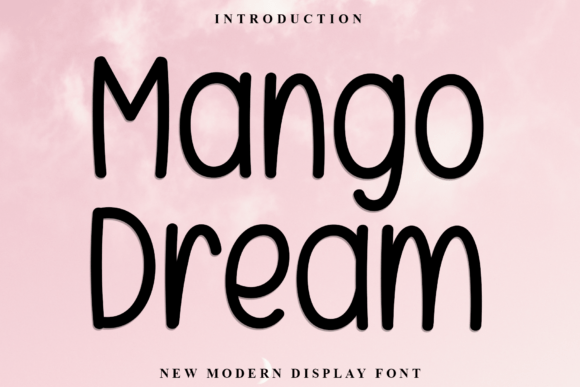
Finding a typeface that feels both personal and polished can be a real challenge. You want something with character, a font that doesn't just sit on the page but tells a story. That's where a gem like Mango Dream comes in. It's a lovely and timeless handwritten font that strikes a beautiful balance between organic charm and clear readability, making it a surprisingly versatile tool for a wide range of creative projects.
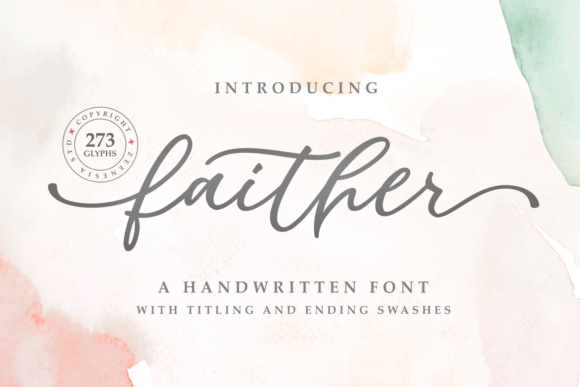
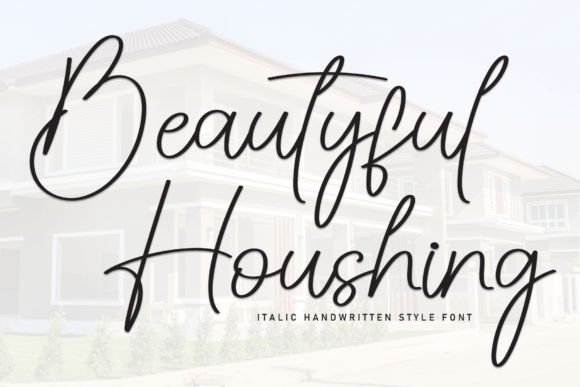
What immediately draws you to this typeface is its authentic, flowing script. Each letter has a unique and beautiful touch, as if it were carefully penned by hand. This quality gives it a warmth that many modern, geometric fonts lack. It doesn't feel sterile or overly digitized. Instead, it carries a human touch that can make your designs feel more approachable and relatable. This makes it an excellent choice for creating eye-catching logos, branding elements, and inspirational quotes where emotional connection is key.
More Than Just a Pretty Script
While its aesthetic appeal is obvious, the real value of a font like Mango Dream lies in its practical application across different mediums. Think beyond the initial "it looks nice" reaction and consider how its personality can serve specific goals. For a small business owner crafting a brand identity, this font could be the cornerstone of a logo that feels friendly, artisanal, or boutique. It works beautifully for a coffee shop, a handmade jewelry line, a yoga studio, or a lifestyle blog where the founder's personal story is central to the brand.
In packaging design, it can instantly elevate a product on the shelf. Imagine it on the label of a jar of homemade jam, the sleeve of a candle, or the box for a specialty chocolate bar. It communicates care, quality, and a human touch before the customer even reads the product description. This is modern typography at work—using style to convey substance.
Pairing for Professional Impact
A common hesitation with script or handwritten fonts is readability, especially in longer text. This is where strategic font pairing becomes essential. Mango Dream shines brightest as a display font—used for headlines, logos, pull quotes, or short phrases where its personality can take center stage. For body copy, paragraphs, or detailed information, you'll want to pair it with a clean, highly legible typeface.
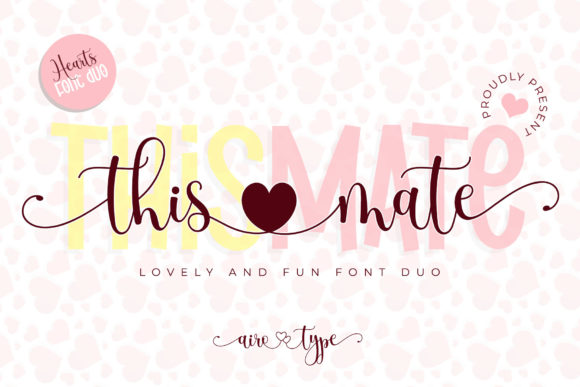
A classic approach is to pair it with a simple sans serif font. The contrast creates a dynamic visual hierarchy that guides the reader's eye. The script font draws attention to key messages, while the sans serif ensures the supporting text is effortless to read. Alternatively, pairing it with a classic serif font can create an elegant, editorial feel, perfect for a magazine layout or a wedding invitation suite. The key is to let Mango Dream do the talking in headlines and use its partner font to provide clarity and structure.
From Digital Screens to Printed Keepsakes
The utility of this creative font extends far beyond logos. Its timeless quality makes it a strong candidate for social media graphics. A quote post using Mango Dream feels more personal and engaging than one set in a standard typeface. It can help your content stand out in a crowded feed, adding a layer of visual interest that encourages likes and shares. For bloggers and content creators, using it in featured images or within a consistent header style can strengthen brand recognition across platforms.
On the web, it can add flair to specific elements without compromising site performance or accessibility. Think of it for a homepage hero banner, a call-to-action button, or section headers. For print materials, its applications are just as broad. It's perfect for creating beautiful posters, product hang tags, thank you cards, or event invitations. The handwritten style feels personal and special, turning a simple piece of paper into a memorable keepsake.
Making the Most of Your Font Investment
When you're considering a premium font like this, it's wise to look at the full package. Check what styles are included. Does it have alternate characters, ligatures, or swashes? These extra design assets allow for more customization and can help you create unique typographic compositions that feel truly one-of-a-kind. Experiment with these features in a design program to see how they can add flair to a logo monogram or a decorative initial.
Also, pay close attention to the licensing. If you're using it for commercial projects—which includes anything for a client or for your own business—you need to ensure you have the correct license. A commercial font license protects both you and the font creator. It's a standard part of the design process and ensures you can use your new asset confidently in logos, merchandise, digital products, and all your marketing assets without legal concern.
Ultimately, choosing a typeface is about finding the right voice for your project. Mango Dream offers a voice that is both sweet and sophisticated. It’s a tool that can help improve visual consistency, strengthen brand identity, and inject a dose of personality into your work. By understanding its strengths and pairing it thoughtfully, you can unlock its full potential to create designs that are not only beautiful but also effective and engaging for your audience.