Alanta: The Handwritten Font That Brings Warmth to Modern Design
There’s something undeniably personal about a handwritten touch. In a world saturated with clean, geometric sans serifs and sharp, authoritative serifs, a script font that feels genuinely human can cut through the noise. That’s the quiet power of Alanta. It’s not just another cursive typeface; it’s a carefully crafted tool designed to inject elegance, approachability, and a distinct personality into your creative work. Whether you’re building a brand from scratch or refreshing a marketing campaign, understanding how to leverage a font like Alanta can be the difference between a design that’s merely functional and one that truly connects.
More Than Just Pretty Letters: The Alanta Aesthetic
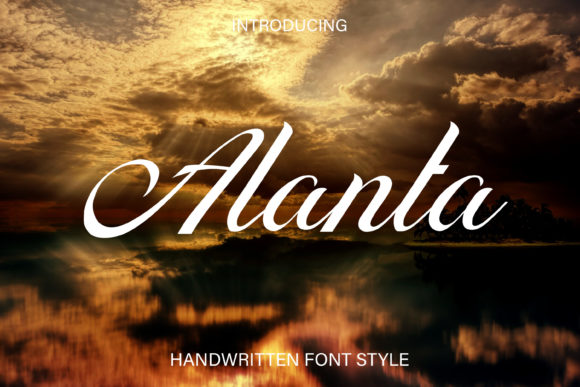
At first glance, Alanta presents as an elegant, stylish handwritten font. Its cursive style flows with a natural rhythm that feels both sophisticated and easy to read—a combination that’s harder to find than you might think. Many script fonts sacrifice legibility for flair, becoming a tangled mess of loops and swashes that frustrates the viewer. Alanta strikes a thoughtful balance. The letterforms maintain a consistent baseline and x-height, ensuring words remain coherent even at smaller sizes or from a distance. This isn’t a wild, untamed scrawl; it’s a controlled, confident hand that speaks of professionalism and care.
The visual appeal lies in its versatility. It carries the warmth and authenticity of a personal note, yet its refined strokes give it a polished edge suitable for commercial applications. Think of it as the typographic equivalent of a well-tailored linen blazer—relaxed but put-together, appropriate for a casual meeting or a more formal event. This duality makes it a potent asset for designers and creators who need a font that can adapt to various contexts without losing its core character.
Where Alanta Truly Shines: Practical Applications
Theory is nice, but real value is found in application. So, where does a font like Alanta fit best in your projects? Its strengths are particularly evident in areas where personality and clarity must coexist.
For branding and logo design, Alanta can become the cornerstone of an identity that wants to feel human, artisanal, or boutique. Imagine it paired with a clean sans serif for a skincare brand, a wedding planning service, or a specialty coffee roaster. It instantly communicates a story of craftsmanship and personal attention. In packaging design, it can elevate a product on the shelf, making a gourmet food item or a handcrafted candle feel more premium and gift-worthy.
Digital spaces are where its readability really pays off. On social media graphics, a striking quote or a headline set in Alanta stops the scroll. It adds a layer of visual interest that standard system fonts lack. For websites and blogs, it’s perfect for hero section headlines, call-to-action buttons, or author bylines, guiding the visitor’s eye and setting a welcoming tone. It’s equally effective in editorial layouts for pull quotes or chapter titles, and in digital products like e-books or online course materials, where it can highlight key information without disrupting the flow of body text.
Don’t overlook the physical world. Print materials like business cards, thank-you notes, and letterheads gain a personal signature feel. Posters for events, invitations for weddings or parties, and even merchandise like tote bags or mugs can all benefit from its distinctive charm. The goal across all these uses is the same: to foster a stronger connection with your audience through thoughtful visual communication.
Integrating Alanta Into Your Design Workflow
Adding a new creative font to your toolkit is exciting, but to use it effectively, a bit of strategy is required. First, consider the font personality. Does Alanta’s elegant, cursive style align with the emotion you want to evoke? For a project requiring stark, futuristic minimalism, it might not be the right fit. But for anything aiming for warmth, sophistication, or creativity, it’s a strong contender.
One of the most critical steps is testing font pairings. Alanta, as a script font, works beautifully when contrasted. Try it with a geometric sans serif like Montserrat or a classic serif like Garamond. The rule of thumb is to let one font do the talking. Use Alanta for headlines, quotes, or accents, and let its partner handle longer paragraphs of body copy. This creates a clear visual hierarchy and ensures your text remains highly readable.
Speaking of readability, always review the included font styles. Does Alanta come with alternates, ligatures, or multiple weights? These extras are gold. Swapping out a standard ‘a’ for a stylistic alternate can add a unique flair to a logo. Ligatures (special character combinations) can make script fonts flow more naturally. Knowing these options allows you to customize the typography and avoid a generic look.
Finally, commercial licensing is a non-negotiable consideration for any professional project. Before you incorporate Alanta into a client’s brand identity or a product you intend to sell, ensure your license covers that use. Reputable font marketplaces and foundries are very clear about their terms—whether it’s for desktop, web, app, or merchandise use. This step protects you legally and supports the type designers who create these valuable assets.
The Lasting Impact of Thoughtful Typography
Choosing a typeface is never just an aesthetic decision; it’s a strategic one. The fonts you select contribute directly to visual consistency across all your touchpoints, which is the bedrock of brand recognition. When your audience sees that familiar, elegant script across your website, your Instagram, and your packaging, it reinforces who you are. This consistency builds trust and makes your brand more memorable.
Moreover, a well-chosen font like Alanta enhances professional presentation. It shows that you’ve paid attention to the details, which reflects positively on the quality of your products or services. In the crowded digital landscape, these subtle cues can significantly boost audience engagement. A beautiful, readable headline invites reading; a distinctive brand mark invites curiosity.
Alanta isn’t a magic solution for every design challenge. It’s a specialized tool. But when used in the right context—with an understanding of its strengths and how to pair it—it can transform a project from ordinary to exceptional. It adds that layer of human touch and artistic flair that resonates on an emotional level. So, the next time you’re starting a project that calls for a blend of elegance and approachability, give Alanta a try. Add it confidently to your toolkit, and you might just love the results it helps you create.