The Loving Font: A Script for Sophisticated Branding
There’s a particular feeling you get when a design element just clicks. It’s the difference between a layout that feels assembled and one that feels composed. For many projects, that crucial element is typography. A font like Loving Font doesn’t just present letters; it offers a specific mood—a blend of elegance, modernity, and delicate artistry that can fundamentally shape how your audience perceives your work. This isn’t about following a trend. It’s about selecting a tool with a clear, refined voice that speaks directly to a sense of style and intention.
Understanding the Personality of This Script Typeface
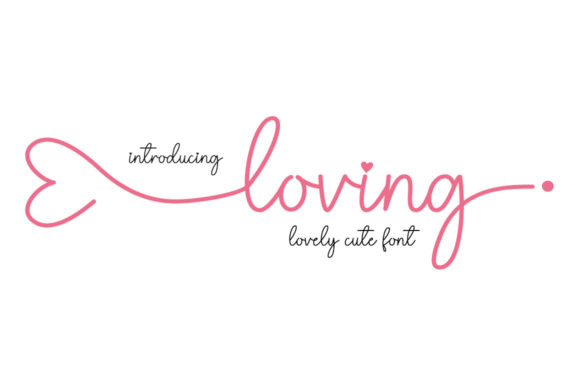
At its core, Loving Font is a premium script font characterized by its flowing, connected letterforms. Its visual appeal lies in its balance. It avoids the sometimes-chaotic look of overly casual handwritten fonts, yet it doesn’t carry the stiff formality of traditional calligraphy. The result is a typeface that feels both personal and polished. The smooth curves and subtle swashes give it a graceful movement, making it ideal for designs that need to convey warmth, sophistication, or a touch of luxury. Think of it as the typographic equivalent of a beautifully handwritten note on high-quality paper—it’s personal, yet clearly crafted with care.
This character makes it a versatile creative font, but it’s not a universal solution. Its strength is in specific applications where that delicate, modern script personality is an asset. For a minimalist tech brand, it might feel out of place. But for a wedding photographer, a boutique bakery, or a lifestyle blogger, it could be the perfect visual signature. The key is matching the font’s inherent personality to your project’s goals and your audience’s expectations.
Practical Applications Across Creative and Commercial Projects
Where does a font like this truly shine? Its utility spans a wide range of design assets, each benefiting from its elegant aesthetic. Let’s break down some real-world uses.
Brand Identity and Logo Design: A logo sets the first impression. Using Loving Font for a brand name or monogram can instantly communicate elegance and attention to detail. It’s particularly effective for logos in the wedding industry, beauty and wellness, artisanal goods, and high-end personal services. When used as part of a larger logo system—perhaps paired with a clean sans serif font for taglines—it helps create a balanced and memorable brand identity.
Print and Editorial Design: The font excels in contexts where a human touch is desired. Consider it for wedding invitations, birth announcements, or thank you cards. In editorial design, it can be used for pull quotes, chapter headings in a book, or title treatments in a magazine to add a layer of visual interest and sophistication. Its readability in larger sizes makes it perfect for these display purposes.
Digital Presence and Marketing: For social media graphics, this script font can make a quote, announcement, or product feature stand out in a crowded feed. It adds personality to Instagram stories, Pinterest pins, and Facebook ads. On a website, it can be used strategically for hero section headlines or call-to-action buttons (when sized appropriately) to guide the visitor’s eye and reinforce the brand’s aesthetic. For content creators and bloggers, it’s a valuable tool for creating cohesive and visually appealing digital products like e-books, worksheets, and online course materials.
Packaging and Merchandise: Imagine the name of a small-batch candle, a gourmet jam, or a line of skincare products rendered in this elegant script. It instantly elevates the perceived value of the product. The same principle applies to merchandise like tote bags, mugs, or apparel for a creative business—using the font for a slogan or design can make the item feel more bespoke and desirable.
Pairing and Practicality: Making the Font Work for You
Introducing a strong script font into your design toolkit requires some thoughtful strategy to ensure it enhances rather than overwhelms. A few practical considerations will help you use it effectively.
Mastering Font Pairings: This is where design magic happens. A script font like Loving Font rarely works well on its own for body text. Its primary role is as a display or accent font. The most successful pairings often involve a high-contrast companion. Try pairing it with a simple, geometric sans serif font. The clean lines of the sans serif will provide a stable, readable foundation for paragraphs and smaller text, allowing the script to shine in headlines and highlights. Alternatively, it can work with a classic, elegant serif font for a more traditional and luxurious feel. The goal is to create a hierarchy where each font has a distinct job.
Prioritizing Readability: While beautiful, script fonts can present readability challenges, especially at small sizes or in long blocks of text. Use Loving Font for short phrases, single words, or headlines. For body copy, always choose a more legible serif or sans serif typeface. Test your designs at the actual size they will be viewed—a social media graphic on a phone screen requires different sizing considerations than a printed poster.
Exploring Included Styles and Licensing: A significant advantage of many premium fonts is the inclusion of alternate characters, swashes, and ligatures. Being PUA encoded, Loving Font allows you to easily access these extras through your design software’s glyphs panel. Experiment with these alternates to customize the look—perhaps using a different stylistic ‘g’ or adding a flourish to a capital letter. This level of customization can make your text feel truly unique. Always review the commercial license that comes with the font to ensure your intended use, whether for client work, merchandise, or digital products, is fully covered.
Ultimately, choosing a typeface is a creative decision with practical consequences. Loving Font offers a specific, high-quality voice that can articulate elegance and modernity across countless applications. By understanding its personality, applying it in the right contexts, and pairing it wisely, you can leverage this design asset to create more cohesive, professional, and engaging visual communications for your brand or projects. It’s not just about what the letters say, but how they make your audience feel.