Fish Tail Font: Embroidery That Tells Your Story
There’s something undeniably personal about embroidered text. Unlike printed letters, stitched names and words carry texture, dimension, and a handmade quality that connects with people on a different level. Whether you’re monogramming baby blankets for an Etsy shop, adding custom labels to handmade clothing, or creating keepsake gifts for weddings and graduations, the font you choose for your embroidery machine matters more than most realize. A typeface that looks beautiful on screen doesn’t always translate well to thread, which is why finding a font specifically designed for machine embroidery changes everything.
Why Fish Tail Font Stands Out in Machine Embroidery
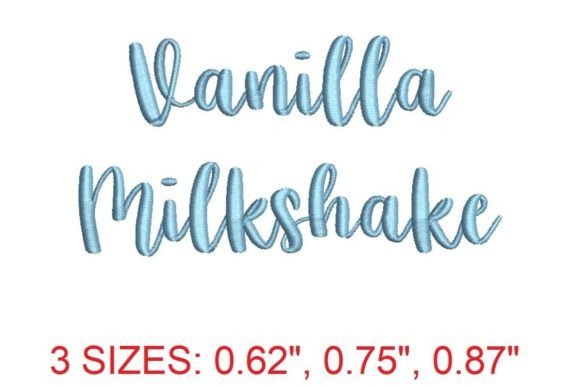
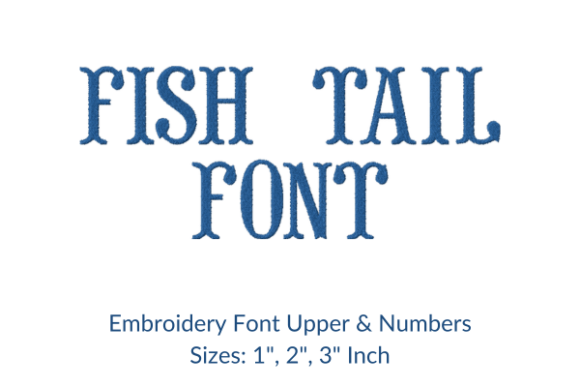
Fish Tail Font brings a distinctive personality to embroidered projects. The letterforms feature clean, flowing strokes that maintain their clarity even at smaller sizes—a common challenge with embroidery typography. Each character is digitized with careful attention to stitch density, underlay, and pull compensation, which means the letters hold their shape on fabric without puckering, gaps, or distortion. This is a high-quality embroidery font that will help you personalize your designs, whether you’re working with cotton, linen, denim, fleece, or specialty fabrics like minky and velvet.
What makes this particular typeface visually appealing is its balance between elegance and readability. The design avoids overly thin strokes that disappear into fabric or excessively thick lines that create bulky, stiff areas. Instead, the letterforms sit comfortably in that middle ground where they look polished without feeling heavy. The subtle flourishes give it character without sacrificing legibility, which is exactly what you need when someone is reading a name from across a room or squinting at a date stitched onto a small bib.
Practical Applications Across Your Creative Business
If you run a small embroidery business, you already know that versatility in your design assets saves time and money. Fish Tail Font works beautifully across a wide range of projects, which means you can use a single typeface to serve multiple client requests without your work looking repetitive or generic.
Personalized gifts and keepsakes remain one of the most popular reasons people seek out custom embroidery. Think about the difference between a plain towel set and one with a couple’s wedding date stitched in an elegant script. Consider a baby blanket with the child’s name in letters that complement the fabric pattern rather than competing with it. This font handles those personal touches with grace, giving each piece a finished, professional appearance that recipients genuinely treasure.
Small business branding is another area where this embroidery font shines. If you sell handmade goods at craft fairs, through your own website, or on platforms like Etsy, consistent branding across your products builds recognition and trust. Use the same typeface on product tags, care labels, tote bags, aprons, hats, and promotional items. When customers see that familiar lettering style, they associate it with your business—something that’s difficult to achieve when you’re mixing random fonts from different sources.
Event and occasion embroidery opens up even more possibilities. Wedding planners and brides often look for custom embroidered ring bearer pillows, handkerchiefs, napkins, and bridal party gifts. Corporate clients might want branded polo shirts, jackets, or caps for their teams. Sports teams need names and numbers on uniforms and bags. Fish Tail Font adapts well to these different contexts because its design is refined enough for formal occasions yet approachable enough for casual, everyday items.
Working With Multiple File Formats and Machines
One of the most practical aspects of this machine embroidery design is its compatibility. The font comes with multiple embroidery file formats, which means you’re not locked into a single machine brand. Whether you use a Brother, Janome, Singer, Bernina, Husqvarna Viking, or another commercial or home embroidery machine, the files are ready to load and stitch. This saves you the headache of converting files, which can introduce errors and compromise stitch quality.
Having access to formats like PES, DST, EXP, HUS, JEF, VIP, VP3, and XXX means you can confidently accept orders from customers who might reference different machine types, or you can switch between machines in your own studio without worrying about compatibility issues. It also future-proofs your investment—if you upgrade your equipment down the road, your font files will still work.
This is a high-quality embroidery font that will help you personalize your designs with names, dates, or quotes on any fabric you wish. The flexibility to use it across different machines and projects makes it a smart addition to any embroidery enthusiast’s toolkit, whether you’re a hobbyist working from home or a professional running multiple machines in a commercial setting.
Tips for Getting the Best Results
Even the best digitized font can produce disappointing results if the setup isn’t right. Here are some practical recommendations for working with embroidery fonts effectively:
- Stabilizer choice matters. Match your stabilizer to the fabric weight and type. A lightweight cotton needs different support than a stretchy knit or a thick denim jacket. When in doubt, test on a scrap piece first.
- Size your text appropriately. Every embroidery font has a minimum and maximum recommended size. Going too small causes letters to fill in and lose definition. Going too large can expose stitch patterns that look unfinished. Check the font specifications before finalizing your design layout.
- Consider thread color carefully. High-contrast combinations like dark thread on light fabric are easiest to read, but tonal designs—where the thread color is close to the fabric color—create a subtle, sophisticated look that works beautifully for luxury items and minimalist branding.
- Hoop correctly. Fabric should be taut in the hoop but not stretched. Improper hooping causes registration issues, meaning letters might not line up properly or could shift during stitching.
- Slow down for quality. If your machine allows speed adjustments, reducing the stitching speed for text often produces cleaner, more precise results, especially on difficult fabrics.
Matching Typography to Your Brand Identity
Choosing the right embroidery font for your business isn’t just about aesthetics—it’s a branding decision. The typeface you consistently use becomes part of your visual identity, just like your logo colors or the photography style on your Instagram feed. Fish Tail Font offers a particular tone: approachable yet polished, personal yet professional. That combination works well for brands that want to feel warm and human without looking amateurish.
Think about the message you want your embroidered products to communicate. A children’s boutique might lean into playful, rounded lettering. A luxury linen company might prefer something more traditional and refined. A fitness brand could benefit from bold, athletic-style fonts. The key is choosing a typeface whose personality aligns with your target audience’s expectations and your brand’s positioning in the market.
Once you’ve found that match, use it consistently. Apply it to every embroidered product, every branded item, every piece of merchandise. Over time, this consistency builds recognition. Customers start to associate that lettering style with your business before they even read the words—and that’s the power of thoughtful typography choices in action.
Whether you’re just starting to explore custom embroidery or you’ve been stitching for years, having a reliable, versatile font in your library removes one variable from the creative process. It lets you focus on what really matters: creating pieces that people love, that represent your work well, and that stand the test of time both in style and in stitch quality.